Canva Wok Recipes Cookbook: Your Solution for Stunning Food Content
For food bloggers, chefs, and Instagram creators, the challenge is rarely the recipe itself—it's the presentation. You've spent hours perfecting a dish, capturing the perfect shot, and writing down the instructions. Now you need a professional, cohesive way to package that content for your audience. This is where the Canva Wok Recipes Cookbook template becomes an indispensable part of your creative toolkit. It’s more than just a set of pages; it’s a structured, visually-driven framework designed to transform your culinary passion into a polished, shareable digital or print product.
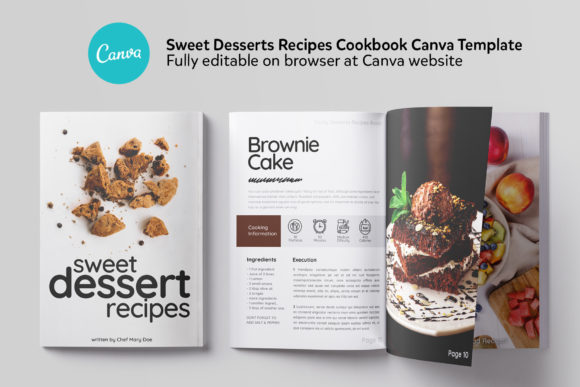
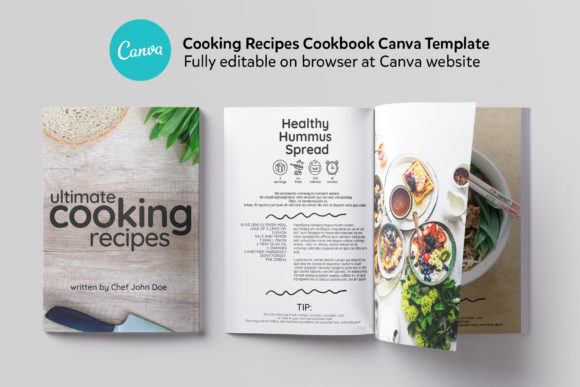
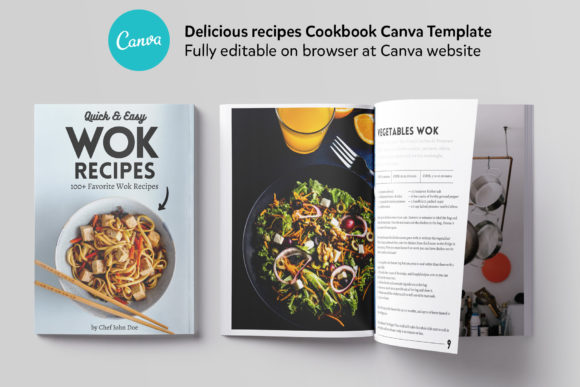
Imagine having a beautifully designed 22-page document ready to be customized in minutes. The template includes all the essential editorial components: a striking cover page, an editorial introduction, a dedicated "About the Author" section to build your personal brand, a clear table of contents, and multiple sample recipe pages. What truly sets it apart are the six unique layouts for recipes. This variety is crucial. It prevents your cookbook from feeling monotonous, allowing you to match the design to the recipe's personality—whether it's a rustic, step-by-step guide for a family stew or a sleek, minimalist layout for a modern fusion dish.
Visual Style and Practical Application
The visual personality of the Canva Wok Recipes Cookbook template strikes a balance between modern clean lines and inviting warmth. It likely uses a combination of serif fonts for headings to convey tradition and authority, paired with a sans serif font for body text to ensure maximum readability on screens and in print. This typographic hierarchy is fundamental to good editorial design. The layouts are crafted to let your food photography take center stage, with ample white space and strategic text placement that guides the viewer's eye naturally from the image to the ingredient list and then to the method.
This template is a perfect solution for sharing your recipes because it handles the structural heavy lifting. You don't need to be a professional designer to create a professional-looking recipe book. The framework ensures consistency in margins, font sizes, and color accents across all 22 pages, which is the cornerstone of building a strong brand identity. For a food blogger, this consistency translates directly to audience recognition and trust. When a follower downloads your PDF or sees a page shared on social media, they instantly connect the visual style with your unique brand.
Where This Template Excels: From Digital to Print
The applications for this Canva template extend far beyond a simple PDF download. Its fully editable nature and A4 (210x297 mm) page size make it incredibly versatile. Consider these real-world scenarios:
- Digital Lead Magnets: Offer a beautifully designed mini-cookbook as a free download to grow your email list. The professional quality elevates perceived value.
- Client Deliverables: For private chefs or nutritionists, presenting a customized recipe booklet to clients is a tangible mark of professionalism and care.
- Social Media Content: Extract individual recipe pages as graphics for Instagram carousels or Pinterest pins. The consistent visual hierarchy makes these standalone graphics effective and on-brand.
- Print-on-Demand Projects: With its standard A4 size, you can easily prepare the file for printing a physical cookbook through services like Blurb or a local printer, creating a cherished keepsake or a sellable product.
- Internal Use & Meal Planning: Even for personal use, compiling family recipes into a structured, readable document preserves culinary heritage in an accessible format.
The provided specification files are key to a smooth workflow. The NOTES FILE with direct links to the master templates means you’re always working from the correct source, avoiding version confusion. The TXT file with photo-icons links and credits is equally important. It ensures you can legally and ethically source decorative elements, which is a critical consideration for any commercial or public-facing project. This attention to detail speaks to the template's utility for serious creators.
Maximizing Readability and Engagement
A recipe's success depends on clear communication. The Canva Wok Recipes Cookbook template is built with readability at its core. The careful selection of font pairings ensures that ingredient lists are scannable and instructions are easy to follow, even when glanced at quickly in a busy kitchen. This practical approach to typography directly influences how your audience engages with your content. Confusing layouts or cramped text can frustrate users, while a clean, well-spaced design invites them to cook along.
Furthermore, the template’s style influences brand perception. A polished, cohesive cookbook conveys expertise and dedication. It moves your content from a casual blog post to a valued resource. For entrepreneurs and small business owners in the food space, this can be a differentiator. It’s not just about sharing a recipe; it’s about packaging your knowledge in a way that reflects the quality of your brand. The design assets included, from the page structures to the suggested typography, work together to create a seamless user experience.
Getting Started and Customizing Your Vision
Getting started is straightforward, which is a major advantage. All you need is a free Canva account. The process involves copying the link from the provided zip file directly into Canva, which opens a fully editable duplicate in your account. From there, the customization is yours. You can change colors to match your brand palette, swap out fonts if you have specific brand guidelines (though the provided pairings are expertly chosen), and most importantly, replace the placeholder content with your own stunning photography and unique recipes.
When editing, think about visual hierarchy. Use the provided heading styles to emphasize recipe titles and section headers. Let the serif font for headings anchor the design with a touch of classic authority, while the sans serif body text keeps everything modern and accessible. Experiment with the six different recipe layouts to see which ones best complement your food styling. A multi-step complex dish might benefit from a layout with numbered steps and small inset photos, while a simple salad might look best in a full-page image with overlaid text.
This template is ultimately a launchpad. It provides the professional design framework, but your unique voice, recipes, and photography are what will make it resonate. By leveraging this structured solution, you save countless hours on layout and design, freeing you to focus on what you do best: creating and sharing incredible food content with your audience.